
Amazon reports 1.5 billion same-day and overnight items in third quarter
Amazon’s latest delivery-speed milestone shows the scale of its fast-delivery network. For independent operators, the business question is where their equipment fits—and whether the work pays for the full operating day.
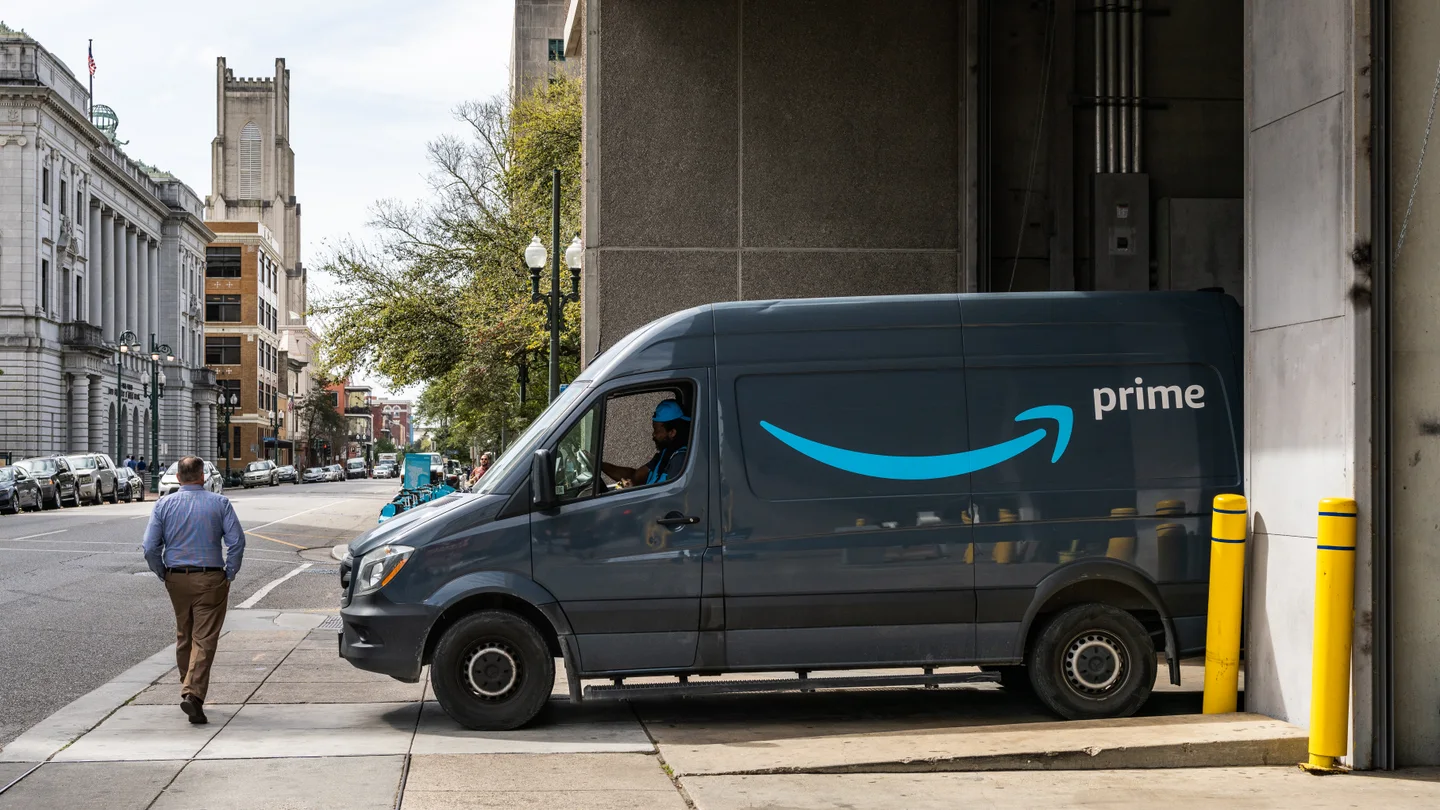
Amazon says more than 1.5 billion items reached Prime members same-day or overnight in the third quarter, which ended September 30. In results released October 29, the company described this as its fastest third quarter for Prime delivery. The disclosure is a network-performance milestone, not an announcement of contractor routes or higher carrier pay. [1]
The distinction starts with what Amazon counted: items, not packages, stops or routes. Several items can travel to one customer, so the total cannot be translated into a number of delivery assignments. The cited bullet also does not identify a US-only total. BTO has not independently audited Amazon’s operational claim. [1]
What the comparison can—and cannot—show
Amazon’s third-quarter 2025 release discussed faster Prime delivery and broader same-day coverage, but did not provide a matching quarterly same-day-or-overnight item total. Consequently, these two releases do not support a year-over-year percentage increase for the 1.5 billion figure. [1][2]
Amazon separately reports more than 13 billion items delivered globally the same or next day during all of 2025. That provides scale, but it is not a valid comparison with this quarter: the period differs, and “next day” is not the same stated category as “overnight.” Treating those figures as a growth series would overstate what the disclosures establish. [3]
Faster delivery begins before the vehicle leaves
Amazon’s explanation of its delivery network emphasizes demand forecasting and placing popular inventory closer to customers. It describes same-day sites that combine stages of an order’s journey, as well as rural delivery stations being converted into hybrid facilities that also hold inventory. These are changes to where freight starts and how it moves—not simply instructions for drivers to finish faster. [3]
For an independent carrier, BTO’s interpretation is that local network design matters more than the national headline. A nearby facility may reduce one leg of a shipment while creating different transfer or dispatch requirements elsewhere. The earnings release does not disclose which facilities, programs or vehicle types accounted for the quarter’s result, so it cannot identify the best local opportunity. [1]
Box trucks, cargo vans and DSPs are different businesses
Box trucks have a documented role in Amazon’s network beyond residential delivery. Amazon Relay’s box-truck guide identifies movements between locations supporting same-day service, along with sort-center transfers and post-office runs. That is an important distinction: participating in faster delivery can mean moving consolidated freight upstream, not taking individual parcels to doorsteps. [4]
Relay’s current FAQ lists both 16-foot and 26-foot box trucks with functional tuck-under liftgates. It also lists carrier eligibility, authority, safety and insurance requirements. Equipment fit alone is not approval, and approval is not evidence that a profitable lane is available in a particular market. [5]
An independent cargo-van owner should not read the same announcement as an invitation to book those box-truck loads. Cargo vans are not among the equipment types listed in Relay’s FAQ. Separately, Amazon describes its Delivery Service Partner program as a business model in which owners hire and develop drivers, supported by Amazon’s infrastructure and technology. Running that staffed delivery business is different from securing work for one owner-operated van. [5][6]
The economics behind a faster delivery promise
For operators evaluating an actual offer, the useful calculation starts with the entire assignment, not just loaded miles. Pickup cutoffs, check-in and loading time, delivery windows, and the empty trip back all consume capacity. A nominally short run can occupy much of a shift if the vehicle waits at a facility or finishes far from the next paying load.
Route density matters differently for doorstep work. Closely grouped stops can spread travel time across more completed deliveries; scattered addresses, access problems and unsuccessful attempts can consume that advantage. Before accepting work, an operator needs clarity about who pays for waiting, reattempts, returns, tolls and additional mileage—and whether the compensation covers fuel, labor, insurance, maintenance and equipment costs.
These are BTO’s evaluation questions, not claims about a specific Amazon contract. The reviewed announcement supplies no rate sheet, local route award or contractor margin data. Amazon’s speed milestone is useful evidence of the service standard a major network is pursuing. The business case for an independent operator still has to be established one market, assignment and agreement at a time.
Sources and reporting note
- Amazon Q3 2026 results, October 29, 2026. ↗
- Amazon Q3 2025 results, October 30, 2025. ↗
- Amazon, How Amazon is delivering orders faster. ↗
- Amazon Relay, How to find box truck loads. ↗
- Amazon Relay FAQ. ↗
- Amazon, Delivery Service Partners. ↗
Original paraphrase. Company-reported claims and BTO analysis are distinguished above. Sources checked October 30, 2026. File photograph credited separately.
AI-assisted research and drafting. Prepared by BTO Editorial. Read our standards.