
Ryder’s Efficiency Enterprises acquisition puts rental and maintenance access in focus
A newly completed fleet-services deal raises practical questions about replacement trucks, maintenance support and customer transitions.
5 min read
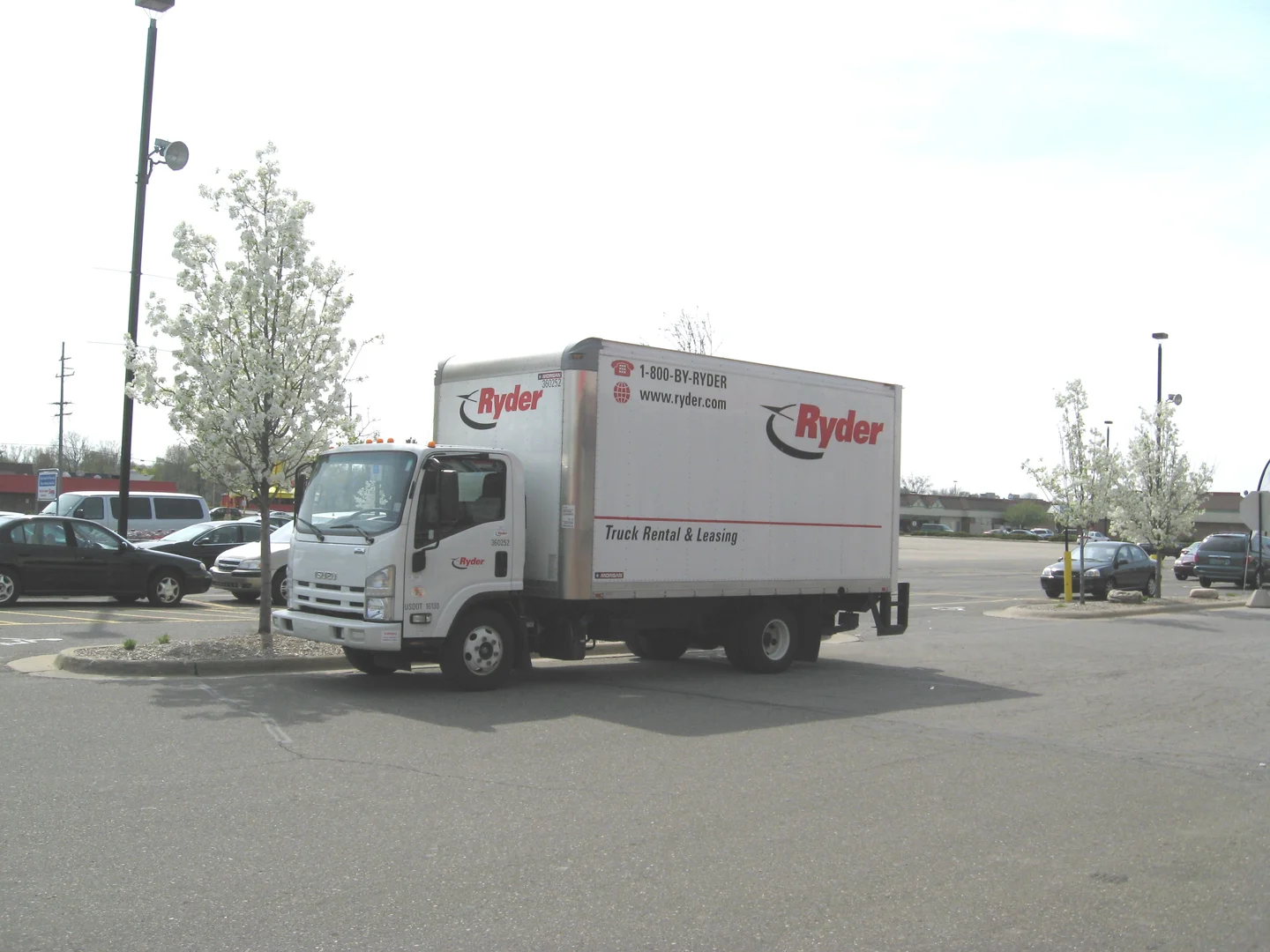
For a small delivery business, the value of a fleet-services network depends on what happens when its truck needs attention. A nearby shop, a suitable replacement vehicle and clear contract terms can matter more than the size of the company behind the counter.
What Ryder announced
Ryder said November 2 that it completed its acquisition of Efficiency Enterprises on November 1. The deal adds locations in Orlando, Tampa and Fort Myers, Florida; Astoria, New York; Baltimore, Maryland; and Middletown, Delaware. Ryder reports approximately 50 technicians and roughly 1,200 fleet units, including trailers and material-handling equipment. That total is not a box-truck inventory count. [1]
The company expects approximately $50 million in added 2027 gross revenue for its fleet-management business. Financial terms were undisclosed; integration is planned through 2026. Those expectations are company forecasts, not demonstrated customer outcomes. [1]
Why an operator should look beyond the location count
BTO analysis The useful question is whether a particular branch can support the work your business performs. A vehicle being available somewhere in a network does not establish that a suitable truck can be supplied at your location, on your timetable or under your agreement.
For furniture and appliance work, a replacement needs to fit the assignment. Check usable body dimensions, payload, liftgate capacity and any customer restrictions on vehicle appearance or equipment. A truck that can carry the weight may still be unsuitable for a loading area, delivery address or required service level. Confirm those details before treating a replacement as an operational solution.
Maintenance access deserves the same scrutiny. Ask whether the branch handles the chassis, refrigeration or liftgate involved, what work is performed on site and how after-hours breakdowns are handled. Distinguish an appointment request from a confirmed service slot. An expanded network can be relevant without guaranteeing shorter repair times.
What existing customers should verify during a transition
Keep the current agreement, recent invoices, vehicle condition records and open repair authorizations together. Check which business remains responsible for billing, deposits, service approvals and any vehicle-return obligations. If new instructions arrive, compare them with the agreement rather than assuming a familiar location means every procedure remains the same.
For a one-truck company, replacement-vehicle terms can be as important as repair charges. Review whether a substitute is included, subject to availability or separately billed. Check mileage charges, insurance requirements, permitted drivers, roadside coverage and the process for reporting a defect. These are practical review questions; BTO has not inspected any affected customer’s contract.
Also consider the full recovery time. A replacement that requires travel, inspection and a change of equipment can consume working hours before the next delivery begins. Build a contingency plan around the actual location and vehicle, and communicate confirmed limits to customers. Do not commit additional routes on the strength of a corporate announcement alone.
What remains unverified
BTO has not confirmed branch-level box-truck availability, rental prices, service capacity, customer-contract changes or improved turnaround times. The announcement does not establish new independent-contractor delivery awards or specific recruiting openings. No companies or customers were contacted for this report.
The acquisition is a reason to review local support options. Whether it improves a particular delivery business’s operating resilience depends on the equipment, service and written terms that business can actually obtain.
Sources & reporting notes
Chronology
Event: November 1 closing, according to Ryder. Source publication: November 2; page shows 12:30 p.m. without an explicit timezone. No separate update date was displayed. This is distinct from the October 27 Roseville expansion already covered by BTO.
[1] Ryder’s original acquisition announcement. Original paraphrase; company assertions are attributed and BTO analysis is labeled. No interviews, direct quotations, contractor pay figures or local inventory audit are represented. Approved for publication by Mark The Mentor on November 2, 2026. Approval does not imply authorship or an independent source audit by Mark.
Photo credit & context
File photo: Dwight Burdette / Wikimedia Commons · CC BY 3.0 · March 27, 2012, Ypsilanti Township, Michigan. Illustrative Ryder rental truck, not an acquired vehicle, location or event. Proportionally resized; no endorsement.
Original title: Ryder Isuzu F Series rental truck Ypsilanti Township Michigan.JPG. Sharing image contains the full photograph on a navy canvas with caption and credit; no scene alteration or AI reconstruction.
AI-assisted research and drafting by BTO Editorial. Read our editorial standards.